
Stadium & Arena Tech
Venue technology, fan experience innovation, smart stadiums, and the future of live sports.
16 articles
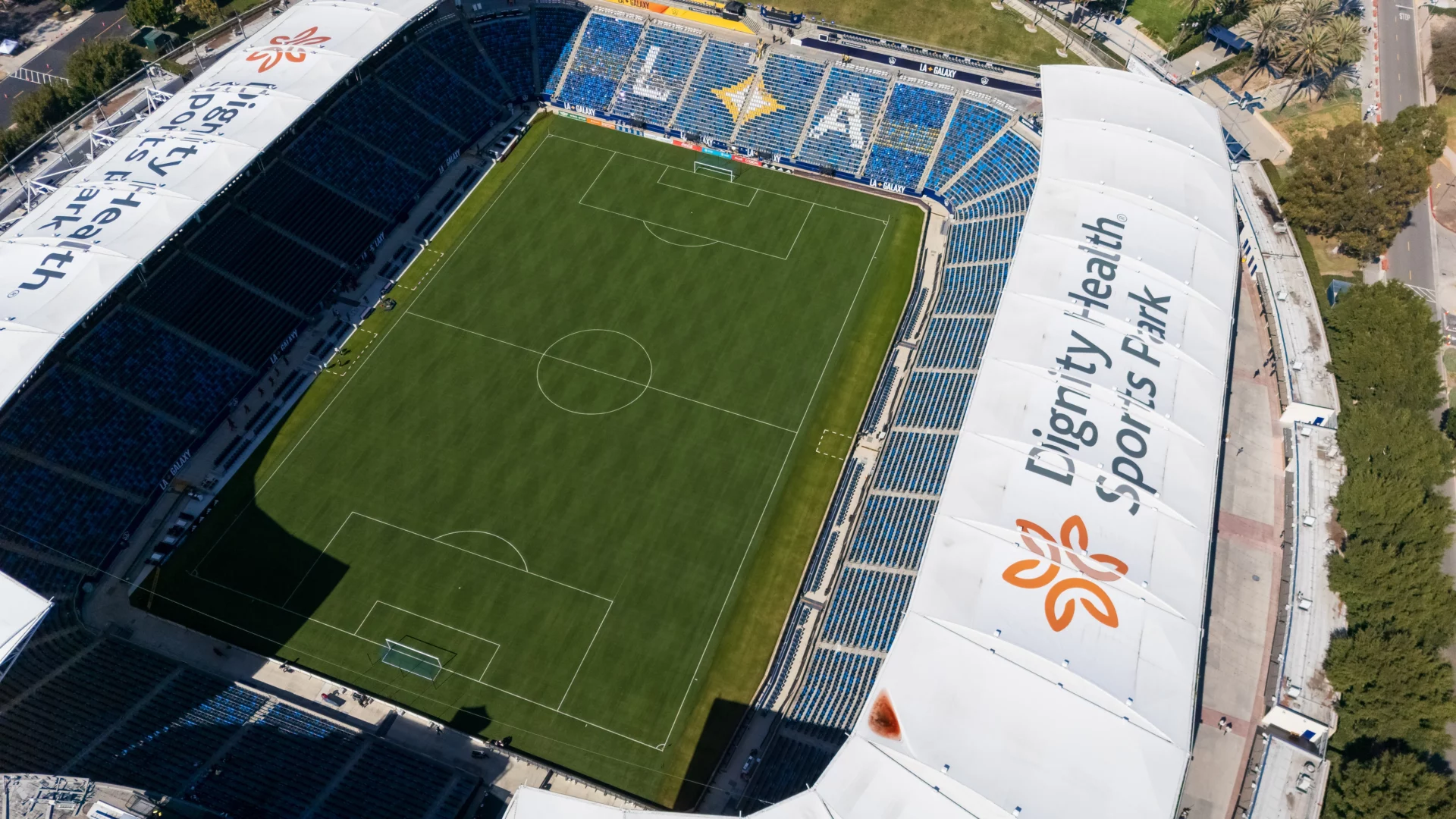
How Stadium Tech, Real Estate, and Premium Inventory Are Rewriting the Sports Venue Business
Across stadiums, training complexes, and downtown venue plans, teams and operators are turning physical assets into more efficient, more profitable business platforms. The common thread is a shift from one-time capital projects to long-term revenue engines built around technology, premium experiences, and control of real estate. From connectivity upgrades to public financing battles, the sports venue market is becoming more strategic, more competitive, and more commercial.
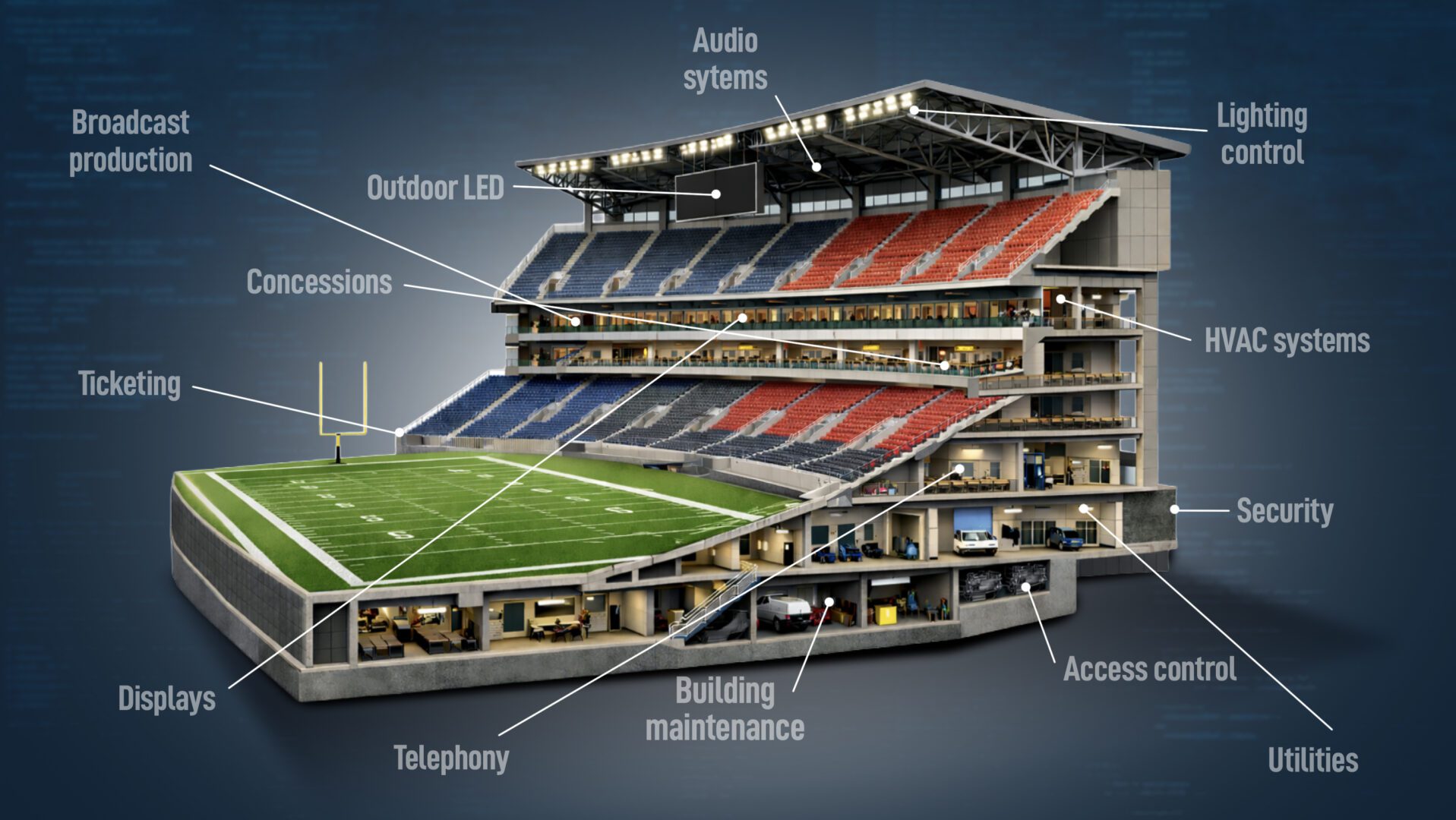
Stadium networks are evolving into the operating system of the modern venue
Stadium connectivity is no longer just about keeping fans online on game day. As venues add sensors, automation, security, retail, and building systems, the network is becoming the core infrastructure that powers operations, revenue, and risk management. This shift is forcing operators to rethink capital spending, vendor strategy, and long-term facility design.
Stadium Tech, Venue Monetization, and the New Arms Race in Sports Infrastructure
Venue operators, leagues, and clubs are accelerating investments that turn stadiums into data-rich, revenue-generating platforms rather than single-purpose buildings. From LED and Wi-Fi upgrades to premium clubs, experience centers, and new stadium deals, the latest moves show how technology and hospitality are becoming central to competitive advantage.
Stadium networks are becoming the operating system of the modern venue
Stadium connectivity is no longer just about keeping fans online. As venues absorb more cameras, sensors, security tools, retail systems, and automation platforms, the network is becoming the central infrastructure that powers both the guest experience and day-to-day operations. That shift is turning network strategy into a core business decision with major implications for revenue, efficiency, and risk.
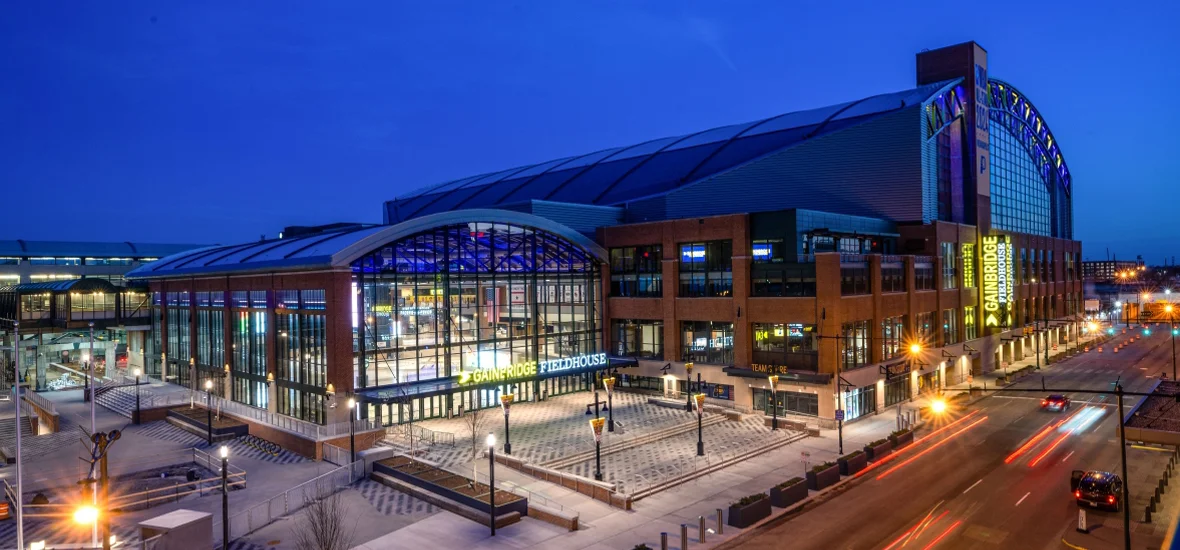
Venue Tech Is Becoming Core Infrastructure as Clubs Turn Connectivity, IP Control, and District Development Into Business Assets
Sports venues are no longer being treated as standalone facilities; they are becoming revenue-generating infrastructure built to support content, connectivity, and long-term real estate value. From IP-based production control centers to mixed-use stadium districts, clubs are using technology and development strategy to create assets that can scale beyond game day.
Venue Technology Is Evolving Into a Core Revenue Driver
Stadium operators are increasingly treating technology as a business strategy rather than a support layer. From IP-based production and AI-managed connectivity to mixed-use real estate and standardized global event feeds, venues are being redesigned to generate more revenue, improve operational control, and expand commercial reach.
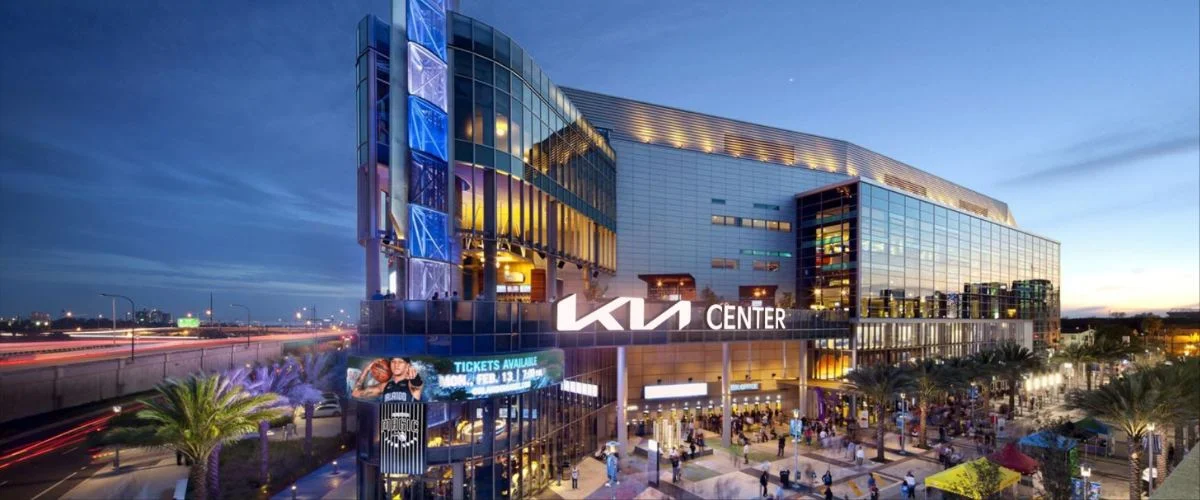
Stadium Tech and Venue Deals Signal a New Era of Sports Infrastructure
This week’s stadium and venue developments underscore how teams and leagues are using technology, mixed-use real estate, and legal maneuvering to reshape the economics of sports. From IP-based production control rooms to league-wide camera deployments and major development projects, the business model around venues is becoming more connected, data-driven, and commercially expansive.
Stadium Tech and Venue Deals Signal a New Phase of Sports Infrastructure Investment
This week’s stadium and venue developments point to a broader shift in sports business: teams, leagues, and governing bodies are treating infrastructure as a competitive asset, not just a game-day necessity. From IP-based control rooms and league-wide camera networks to mixed-use districts and stadium redevelopment, the common thread is monetization through technology, real estate, and fan engagement.

Is Your Stadium Ready for AI? The Real Bottleneck Is Data, Not Algorithms
AI is moving from buzzword to boardroom priority in stadiums, but the real challenge is not adopting new tools. The venues that will win are those that can unify trusted, real-time data across operations, security, concessions, and fan experience systems. Without that foundation, AI will only expose inefficiencies faster rather than fix them.
Stadium Investment Is Becoming a Multi-Revenue Sports Business Model
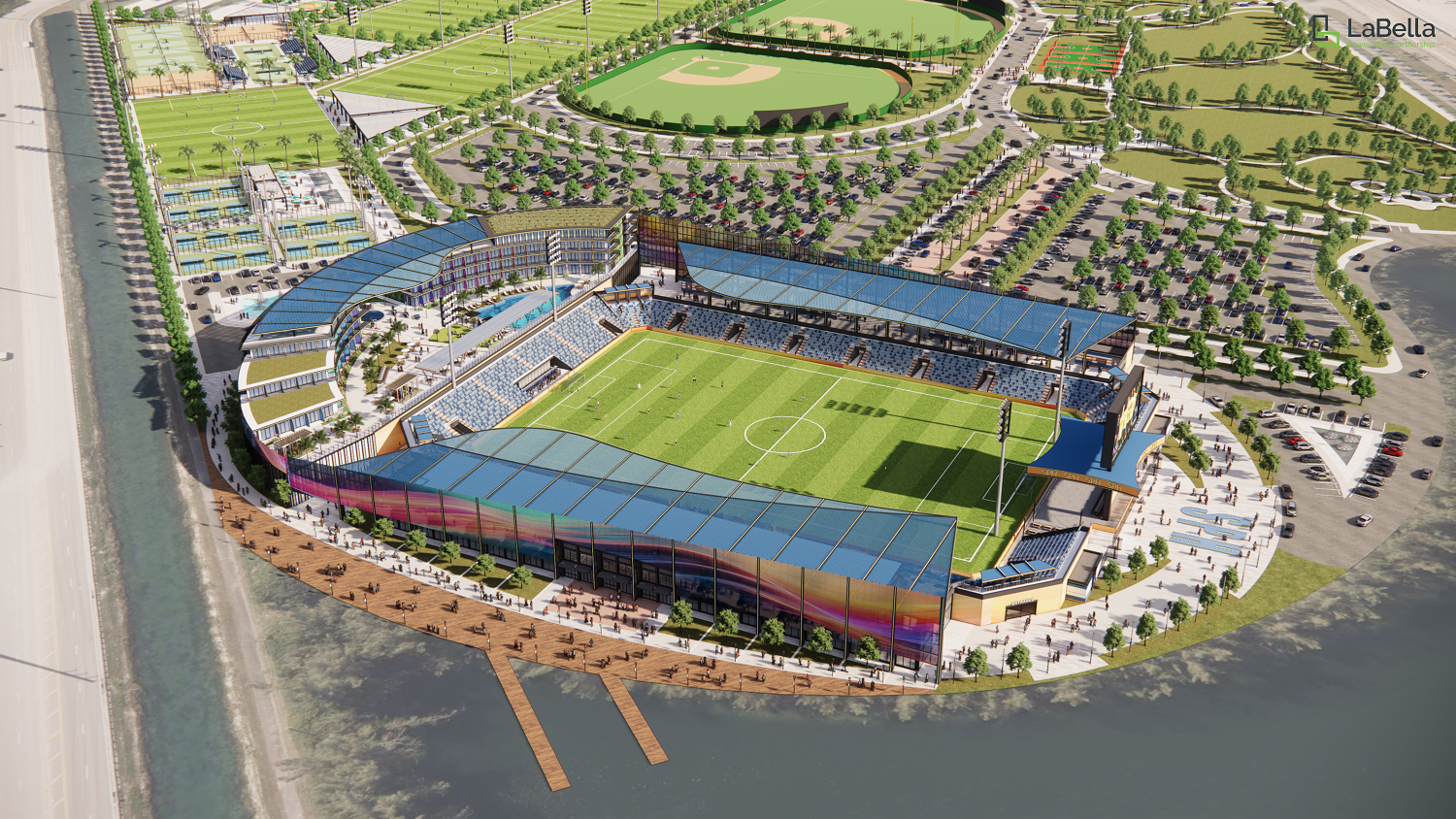
Across soccer, football, and women’s sports, new venue projects are moving beyond the old single-purpose stadium formula. The new playbook pairs stadiums with hospitality, education, athlete services, and sponsorship assets to create year-round revenue and deeper commercial resilience. This shift is changing how teams, investors, and cities evaluate the value of sports real estate.
AI Will Reshape Stadium Economics — But Only If Venues Fix Their Data First
AI is becoming a boardroom priority across sports and live events, but the real competitive edge is not the algorithm. Stadiums that can unify trusted, real-time data across operations will be better positioned to cut costs, improve fan flow, and unlock new revenue. Without that foundation, AI simply adds more noise to already fragmented venue systems.
Stadium Tech and Venue Investment Signal a New Era of Sports Monetization
From AI-assisted officiating to premium club builds and major stadium redevelopments, the latest wave of venue and event innovation shows how sports properties are turning infrastructure into a revenue engine. Teams, leagues, and cities are increasingly using technology, hospitality, and real estate strategy to deepen fan engagement, unlock new commercial inventory, and future-proof their assets.