Why 2026 World Cup qualification has become a high-stakes commercial race
The fight for the final places at the 2026 FIFA World Cup is no longer just about sporting prestige. With expanded prize money, sponsorship upside, and major local economic spillovers at stake, qualification has become a business decision with real balance-sheet consequences for national federations. The cost of missing out can now reach far beyond the pitch.
As North America prepares to host the 2026 FIFA World Cup, the scramble for the final six spots in the expanded 48-team tournament has become a commercial contest as much as a sporting one. For the nations still in the race, qualification is now tied to revenue, sponsorship leverage, and broader economic impact.
The World Cup remains the most valuable asset in global football, delivering a media and marketing platform unmatched by any other event. Qatar 2022 attracted 1.064 billion in-home television viewers, while the final between Argentina and France peaked at 570.8 million live viewers, underscoring the scale of the audience and the advertising value attached to the tournament.
That audience converts directly into economic return. Qatar’s 2022 edition generated an estimated $1.6 billion to $2.4 billion in gross value added through visitor spending and broadcast revenue, equal to roughly 1% of the country’s annual GDP. With FIFA expanding the field to 48 teams, the commercial opportunity has widened again — and the incentive to qualify has never been stronger.
For national federations, the upside starts with FIFA’s larger prize pool. For 2026, FIFA has increased prize money by 50% compared with the previous World Cup, with $727 million set to be distributed among participating member associations. Of that total, $655 million is allocated to prize money, while $1.5 million per team will be provided to help cover preparation costs.
The minimum payout for teams finishing between 33rd and 48th is $9 million, while the champion could earn as much as $50 million. For many federations, that is not a symbolic reward — it is transformational capital that can reshape budgets, development plans, and commercial strategy.
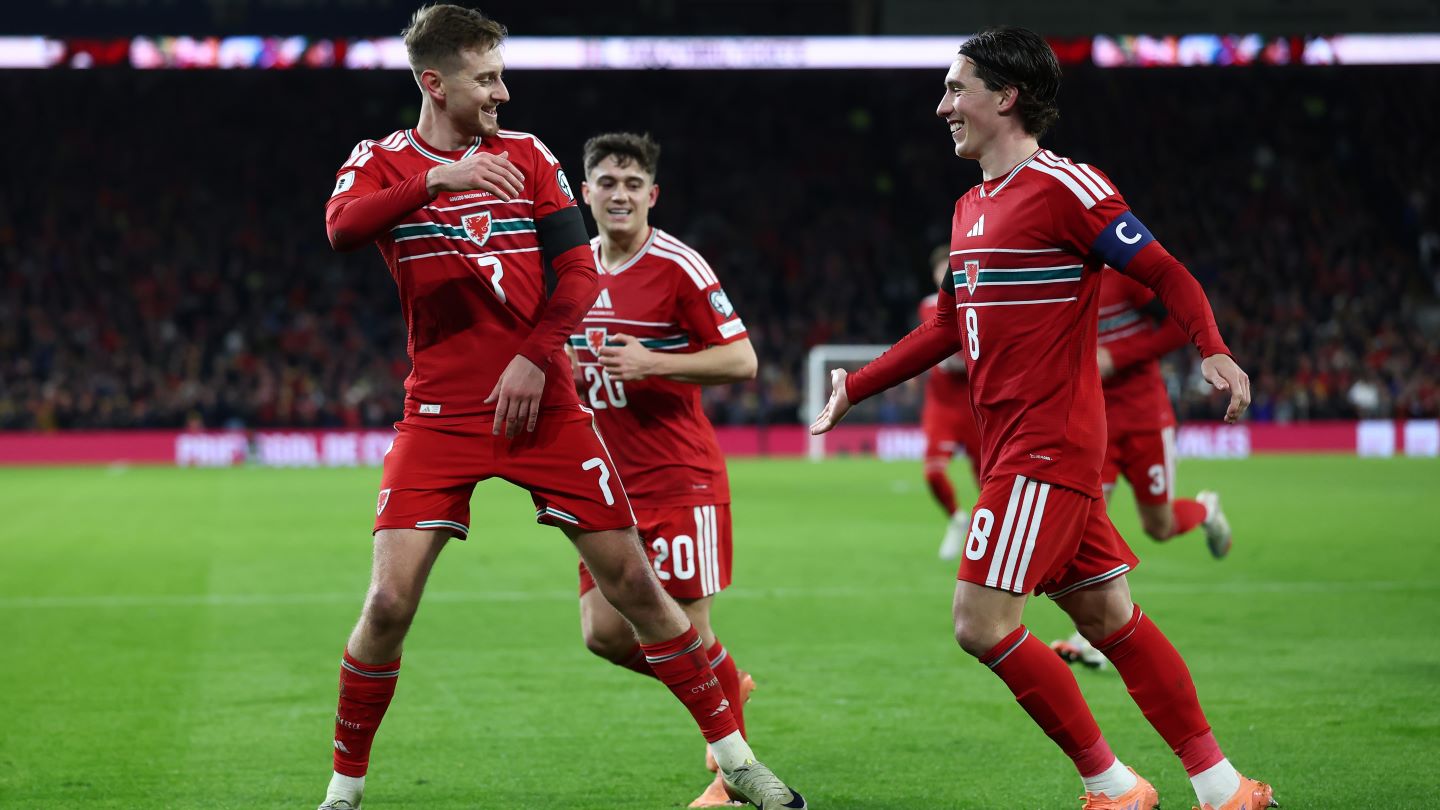
The business impact becomes even clearer when measured against federation finances. The Football Association of Wales, for example, reported record revenue for a non-qualification year, reaching £32.4 million ($43.22 million) in turnover in the period to June 2024. A World Cup berth would make the minimum FIFA payout worth more than 20% of that annual total, before any additional sponsorship, merchandising, or broadcast gains are counted.
Qualification also strengthens a federation’s negotiating position with commercial partners. Many sponsorship agreements include performance-based clauses, meaning a World Cup appearance can unlock higher payments from kit suppliers and other brands. For a federation such as Wales, that could translate into a meaningful uplift from its adidas partnership, while the sponsor benefits from greater global visibility and stronger tournament-linked sales potential.
The same logic applies across the wider commercial portfolio. A place at the World Cup can improve renewal terms, increase the value of long-term deals, and make a federation more attractive to new partners. In a market increasingly driven by rights value and global reach, qualification can materially alter a federation’s financial trajectory.
The cost of failure is equally significant. Italy, still chasing a place through the playoffs, has not reached the World Cup since 2018 despite its football heritage and major market value. Its earlier absence was linked to an estimated €1 billion ($1.16 billion) economic loss, reflecting missed spending across tourism, hospitality, and fan-driven activity.
Those losses are not confined to federation accounts. World Cup qualification can stimulate local economies through bars, restaurants, travel, and public viewing events, especially when matches create demand for communal fan experiences. In England and Wales, pubs are being granted extended opening hours for tournament matches involving home teams, with some venues allowed to stay open up to three hours later than the standard 11 p.m. closing time to capitalize on the North American time difference.
FIFA expects the 2026 tournament in the United States, Canada, and Mexico to set new records for attendance and economic impact. Its projections call for 6.5 million attendees and as much as $40.9 billion in GDP impact, alongside $8.3 billion in social benefits, including $5.16 billion tied to tourism.
For the nations still fighting for the final places, the message is unmistakable: qualification is no longer only about national pride or sporting achievement. It is a gateway to direct prize money, stronger commercial leverage, and broader economic activity — a rare opportunity in global sport that is becoming too valuable to miss.
Why It Matters
The fight for the final places at the 2026 FIFA World Cup is no longer just about sporting prestige. With expanded prize money, sponsorship upside, and major local economic spillovers at stake, qualification has become a business decision with real balance-sheet consequences for national federations. The cost of missing out can now reach far beyond the pitch.
Content Package
World Cup 2026 qualifying is now a business race: bigger payouts, bigger media value, and sponsor leverage. With 48 teams, those final spots could mean millions in prize money—and major economic knock-on effects. #FIFAWorldCup #Qualifiers
#FIFAWorldCup#WorldCup2026#FootballBusiness
As North America gears up for the 2026 FIFA World Cup, the race for the final qualification places has shifted from purely sporting urgency to high-stakes commercial strategy. With the tournament expanding to 48 teams, FIFA is effectively widening the “value runway” for federations still chasing a berth. The World Cup remains football’s most powerful global platform—Qatar 2022 reached 1.064bn in-home TV viewers, while the final peaked at 570.8m live viewers. That scale matters because it drives sponsor value, broadcast revenue, and brand reach far beyond matchdays. For national federations, qualification brings immediate financial upside: - FIFA has increased 2026 prize money by 50% versus the previous cycle, with $727m to be distributed among participating member associations. - Teams can receive as much as $50m (winners), while even the lowest ranked earners (33rd–48th) are set for a minimum payout of $9m—plus preparation cost support. That’s not just a symbolic bonus. For context, Wales reported record turnover of £32.4m in a non-qualification year (to June 2024). A World Cup berth could make the minimum FIFA payout equivalent to over 20% of that figure—before considering commercial uplift from sponsorship, merchandising, and media visibility. Qualification also strengthens negotiating power. Many federation partnerships include performance-based clauses, meaning a World Cup appearance can increase payments from kit and commercial partners. It can also improve renewal terms and long-term deal value across the broader rights and sponsorship portfolio. The cost of missing out is equally stark. Italy’s recent World Cup absence highlights how financial impact can compound: earlier missed participation has been linked to an estimated €1bn economic cost, reflecting lost tourism, hospitality, and fan spending. Even the “downstream” economy benefits—bars, restaurants, travel, and public viewing culture. With time-zone dynamics creating unique viewing patterns, some venues have secured extended opening hours to capture demand. FIFA expects the 2026 tournament to generate major benchmarks in attendance and economic impact, including projections of 6.5m attendees and up to $40.9bn GDP impact. Bottom line: for federations still fighting for qualification, this isn’t just about pride. It’s about direct prize money, commercial leverage, and broader economic activity—an opportunity that is becoming too valuable to treat as a mere sporting target. #FIFAWorldCup #WorldCup2026 #FootballBusiness #SportsEconomics #Sponsorship #MediaRights
#FIFAWorldCup#WorldCup2026#FootballBusiness
World Cup 2026 qualifiers = BIG money + BIG leverage. More teams, bigger prize pools, and sponsor clauses that can change a federation’s financial trajectory. Are you watching the business side of football? ⚽️📈 #FIFAWorldCup #WorldCup2026 #FootballBusiness #SportsMarketing #Sponsorship #MediaRights #FootballEconomics
#FIFAWorldCup#WorldCup2026#FootballBusiness
With World Cup 2026 expanding to 48 teams, qualification is becoming as much a business decision as a sporting one. Bigger prize money, stronger sponsor leverage, and knock-on economic benefits mean the final places could deliver transformational value for federations—and major losses for those who miss out. Here’s why the race is getting higher stakes.
#FIFAWorldCup#WorldCup2026#FootballBusiness
In 2026, World Cup qualification won’t just be about pride—it’ll be about profit. FIFA expanded the tournament to 48 teams, and that means six spots left are now a high-stakes business race. Why? Prize money is up 50%, with $727 million set to be distributed. Even teams finishing 33rd–48th could earn $9 million—while winners could make up to $50 million. And it’s not only FIFA payouts. World Cup qualification can boost sponsorship payments, strengthen contract negotiations, and drive extra fan spending—think bars, travel, and public viewing. So the question isn’t just ‘who qualifies?’ It’s ‘who monetizes the berth?’
#FIFAWorldCup#WorldCup2026#FootballBusiness
World Cup 2026 qualification is getting ruthless—and not just on the pitch. FIFA’s expanding to 48 teams, and those final spots are now a business race. Here’s the key: prize money is up 50%. Total distribution is $727 million, with a minimum payout of $9 million even for the lowest qualifying teams—and up to $50 million for champions. But the money doesn’t stop there. Qualification can trigger performance-based sponsor clauses, improve kit and commercial deal terms, and increase global visibility. Miss out, and the losses can be massive—tourism, hospitality, and fan spending all take a hit. So for federations fighting for qualification, it’s not only national pride. It’s direct revenue, commercial leverage, and economic impact. ⚽️📈
#FIFAWorldCup#WorldCup2026#FootballBusiness
2026 World Cup qualification is now a business sprint: prize money up, commercial leverage boosted, and “missed” opportunities costing millions. For some federations, a berth could swing budgets by 20%+.
#WorldCup2026#FIFA#FootballBusiness
As North America gears up to host the expanded 48-team 2026 FIFA World Cup, qualification has evolved into something far bigger than sport. For many federations, securing one of the final six places is effectively a high-stakes financial decision. Why? Because the World Cup remains football’s most valuable global property. Qatar 2022 delivered massive audience reach—1.064bn in-home TV viewers—with the final peaking at 570.8m live viewers. That scale directly converts into commercial value for broadcasters, sponsors, and host ecosystems. For national associations, the upside starts with FIFA’s increased prize pool. For 2026, FIFA has raised prize money by 50% versus the previous tournament, with $727m distributed among member associations. The distribution includes $655m in prize money and $1.5m per team to support preparation costs. Even the minimum payout—around $9m for teams finishing between 33rd and 48th—can be transformational capital. Consider the budget reality: Wales reported record turnover of £32.4m ($43.22m) in a non-qualification year to June 2024. A World Cup berth could represent more than 20% of that annual revenue before factoring in additional commercial gains like sponsorship renewals, merchandising, and broadcast exposure. Qualification also strengthens negotiating power. Many sponsorship agreements include performance-based clauses, meaning a World Cup appearance can unlock higher payments from kit suppliers and other partners—improving leverage across the entire rights and commercial portfolio. The cost of failure is just as material. Italy’s absence since 2018 has been linked to an estimated €1bn economic loss, reflecting missed spending across tourism, hospitality, and fan-driven activity. And that impact doesn’t stop at federation balance sheets—local economies benefit too, from bars and restaurants to public viewing demand. FIFA expects 2026 to set new records: 6.5m attendees and up to $40.9bn in GDP impact, alongside $8.3bn in social benefits, including $5.16bn tied to tourism. The takeaway for every nation still chasing a place is clear: qualification is no longer only about national pride. It’s a gateway to direct prize money, stronger commercial leverage, and broader economic activity—an opportunity too valuable to miss.
#WorldCup2026#FIFA#FootballBusiness
2026 qualification = a business race 💰⚽ More teams. Bigger prize pool. Sponsorship power. Miss out and you miss millions. Who’s under pressure right now? #WorldCup #FIFAWorldCup #FootballBusiness #SportsMarketing #NationalTeams #Sponsorship #PrizeMoney #NorthAmerica2026 #FootballFinance
#WorldCup2026#FIFA#FootballBusiness
Qualification for the 2026 FIFA World Cup has become a high-stakes business race. With the tournament expanding to 48 teams and FIFA increasing prize money by 50%, a berth could mean millions in direct payouts—plus major boosts in sponsorship leverage and local economic impact. For federations still chasing the final spots, the cost of missing out is now measured in budgets, not just pride.
#WorldCup2026#FIFA#FootballBusiness
In 2026, World Cup qualification isn’t just about football… it’s about money. FIFA expanded the tournament to 48 teams and boosted prize money by 50%. That means even finishing in the lower ranks can bring millions back to federations—plus stronger negotiating power with sponsors tied to performance. Miss out, and you can lose out on revenue, tourism demand, and fan spending. So for some countries, the “final six spots” are basically a financial lifeline. Who do you think feels the pressure most right now?
#WorldCup2026#FIFA#FootballBusiness
World Cup qualification just got way more expensive. With the 2026 tournament expanding to 48 teams, FIFA increased prize money by 50%—and even teams finishing between 33rd and 48th can earn around $9 million. But it’s not only the prize. A World Cup berth boosts sponsorship deals, merchandising, and broadcast exposure—while failure can mean missed tourism and economic activity. For some federations, qualification could swing annual revenue by 20%+—turning a sporting race into a business sprint. Which country is most at risk of missing out?
#WorldCup2026#FIFA#FootballBusiness
2026 World Cup qualification is now a commercial sprint: bigger prize pool, stronger sponsor leverage, and real economic upside. With 48 teams, missing out could cost federations millions—on and off the pitch. #WorldCup2026
#WorldCup2026#FIFA#FootballBusiness
As North America gears up to host the expanded 48-team 2026 FIFA World Cup, qualification has shifted from purely sporting ambition to a high-stakes commercial race. Why? Because the World Cup remains football’s most valuable global media and marketing asset—delivering audiences and advertising value that few events can match. Qatar 2022 drew 1.064bn in-home TV viewers, with the final peaking at 570.8m live viewers, reinforcing how quickly rights value converts into sponsorship demand and revenue. For federations still chasing the last qualification places, the “upside” is now measurable across multiple financial layers: 1) Direct FIFA distributions FIFA has increased the prize pool by 50% for 2026, with $727m set for participating member associations. That includes $655m in prize money, plus $1.5m per team for preparation costs. The minimum payout for teams finishing between 33rd and 48th is $9m—transformational for smaller budgets—while the champion could earn up to $50m. 2) Budget impact vs. federation turnover The commercial significance is clear when compared to federation finances. The Football Association of Wales reported record revenue of £32.4m ($43.22m) in turnover in the year to June 2024. A World Cup berth could represent more than 20% of that annual total—before considering sponsorship uplift, merchandising, and broadcast-related gains. 3) Stronger negotiating power with sponsors Qualification can materially improve federation leverage. Many sponsorship agreements include performance-based clauses, meaning a World Cup appearance can trigger higher payments for kit suppliers and global partners. Beyond the immediate payout, stronger tournament visibility can improve renewal terms and make federations more attractive to new brands. 4) Wider economic spillover The benefits don’t stop at federation accounts. Qualification and the tournament cycle can drive local demand—bars, restaurants, travel, and public viewing events—especially where matches create concentrated fan activity. England and Wales, for example, have granted extended pub opening hours for home-team tournament matches to capture the North American time difference. The “cost of failure” is also becoming harder to ignore. Italy’s absence since 2018 has been linked to an estimated €1bn ($1.16bn) economic loss—an example of how missing the tournament can suppress tourism, hospitality, and fan-driven spending. FIFA expects record-scale impact from 2026: 6.5m attendees, up to $40.9bn in GDP impact, and $8.3bn in social benefits (including $5.16bn tied to tourism). In that context, qualification is increasingly a gateway to revenue, partner leverage, and economic activity. Bottom line: for the nations still in the race, qualification is no longer only about national pride. It’s about securing direct prize money, strengthening commercial positioning, and unlocking broader economic momentum—an opportunity too valuable to miss. #WorldCup2026 #FIFA #FootballBusiness #SportsMarketing #Sponsorship #MediaRights #SportsEconomics #NationalFederations
#WorldCup2026#FIFA#FootballBusiness
Qualification for the 2026 World Cup isn’t just pride—it’s a commercial race. 💰 Bigger prize pool, stronger sponsor leverage, and real economic impact. Miss out = real losses. ⚽️🇺🇸🇨🇦🇲🇽 #WorldCup2026 #FIFA #FootballBusiness #SportsMarketing #Sponsorship #MediaRights #FootballFinance #GlobalSport #SportsEconomics
#WorldCup2026#FIFA#FootballBusiness
Qualification for the 2026 FIFA World Cup has become a major business priority. With FIFA expanding to 48 teams and increasing the prize pool, federations can unlock transformational prize money and stronger sponsorship leverage—while matches can also boost local economies through fan spending. For teams still chasing spots, the stakes are now both sporting and commercial.
#WorldCup2026#FIFA#FootballBusiness
In 2026, World Cup qualification isn’t just about football… it’s about money. FIFA’s prize pool is up 50% and the minimum payout starts at $9 million—meaning a single berth can reshape a federation’s budget. And it’s not only FIFA money. A World Cup appearance can trigger performance-based sponsorship clauses, improve partner renewals, and boost merchandising and broadcast value. Even the wider economy gets a lift—tourism, hospitality, and fan events. So ask yourself: for teams still chasing qualification, is it pride first… or revenue first? Because right now, it’s both—and the race is getting intense. ⚽️💰
#WorldCup2026#FIFA#FootballBusiness
Qualification for the 2026 World Cup has become a commercial sprint. Here’s why: FIFA expanded to 48 teams and increased the prize pool by 50%. The minimum payout for teams finishing 33rd to 48th is $9 million—plus $1.5 million per team for prep. But the real game-changer? Sponsorship leverage. Many deals include performance clauses, so a World Cup spot can unlock higher payments and better renewal terms. And it doesn’t stop at federations—fan spending can boost tourism and local businesses. In short: qualification is now a revenue opportunity, not just a sporting goal. ⚽️💰
#WorldCup2026#FIFA#FootballBusiness