Klopp’s Madrid Denial Shows How Elite Managers Have Become Premium Sports Assets
Jürgen Klopp’s rejection of Real Madrid speculation did more than end a rumor cycle; it underscored how top managers now function as high-value business assets. In modern football, elite coaching talent shapes brand equity, strategic planning, and organizational stability as much as on-field results.
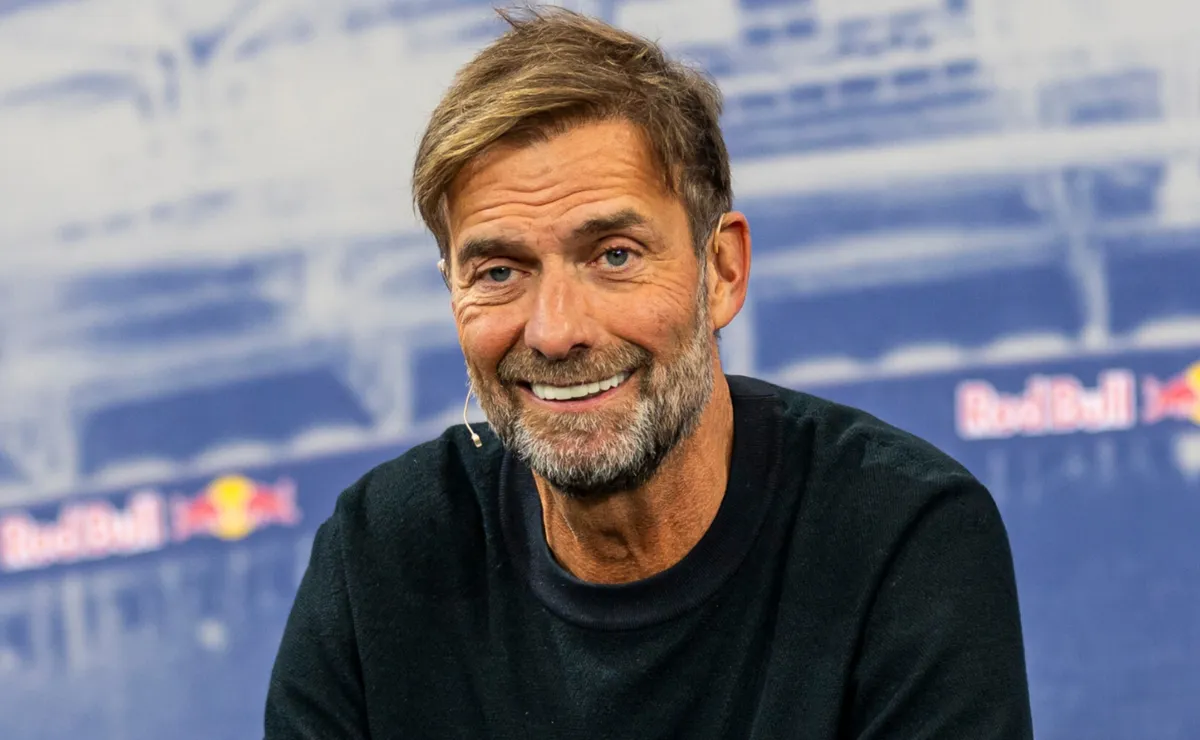
Jürgen Klopp’s firm denial of contact with Real Madrid may have closed down the latest round of speculation, but the bigger signal is commercial, not conversational. Elite managers are no longer treated as replaceable hires. They are premium assets whose presence can influence brand value, strategic direction, and competitive positioning across global football.
Klopp remains under contract with Red Bull through 2029, and that detail matters as much as the denial itself. His response made clear that no formal approach has been made, but it also reinforced how modern football leadership now operates: the most recognizable figures sit inside a broader talent economy where reputation, scarcity, and strategic fit carry measurable financial value.
Even without active negotiations, Klopp’s name continues to move the market. For clubs, federations, and multi-club organizations, a manager of his profile is not just a sporting choice. It is a business decision that can affect sponsorship appeal, internal credibility, and the pace of organizational change.
Red Bull’s investment in Klopp reflects that reality. His role strengthens the company’s football identity and adds credibility to its multi-club model, where elite expertise helps connect performance, development, and brand expansion. Retaining him delivers continuity and sends a signal of stability across a system built on scale and coordination.
If Klopp were ever to leave, the cost would extend far beyond a contract clause. A move would likely require compensation, complex negotiations, and a clear strategic case from whichever club or federation decided his leadership was worth the premium. The real question is not simply whether he would take the job. It is whether an institution is prepared to make the commitment required to secure one of football’s most influential operators.
Why Real Madrid remains a difficult fit
On paper, Real Madrid and Klopp are both associated with winning at the highest level. In practice, their operating models are built on very different timelines. Klopp’s value has traditionally come from culture-building, system development, and long-term squad evolution, while Real Madrid’s standards demand immediate results and leave little room for adjustment.
That mismatch creates real business risk. A club that expects instant trophies can clash with a manager whose strongest work often unfolds over multiple seasons. Even when the football logic appears compelling, the commercial and sporting timelines do not naturally align.
Real Madrid’s history of quick managerial changes adds another layer of complexity. For a coach whose reputation is tied to process as much as outcome, the upside would be enormous, but so would the pressure. In a market where elite talent is increasingly judged by both performance and adaptability, the fit has to make sense beyond headline value.
There is also a cultural dimension. Top players increasingly respond to managers who create high-performance environments rather than simply command them, and that shift affects recruitment, dressing-room management, and retention. Klopp’s intensity remains one of his greatest strengths, but at a club like Real Madrid, it would also become part of the business calculation.
Why It Matters
Jürgen Klopp’s rejection of Real Madrid speculation did more than end a rumor cycle; it underscored how top managers now function as high-value business assets. In modern football, elite coaching talent shapes brand equity, strategic planning, and organizational stability as much as on-field results.
Content Package
Klopp shuts down Real Madrid talks—no contact, no approach. But the denial only spotlights the real story: elite managers are now strategic “hires” that can move brands, valuations, and power in football.
#Klopp#RealMadrid#FootballBusiness
Jürgen Klopp’s blunt denial of Real Madrid speculation is more than a headline stop—it’s a window into how elite football leadership is being valued and traded. Klopp says there has been no contact with him or his agent, and that no formal approach has been made. With him contracted to Red Bull through 2029, the immediate rumor cycle may be cooling—but the market dynamics driving it are clearly heating up. What this signals about the modern game: 1) Leadership has become a high-value strategic asset Top managers are increasingly treated less like traditional “coaches” and more like strategic hires whose presence affects long-term planning, brand positioning, and organizational credibility. 2) Headlines can shift expectations—even before talks begin Klopp’s name alone can influence perception: how clubs plan, how stakeholders value trajectories, and how quickly institutions react to perceived “opportunities.” The power isn’t just in negotiation—it’s in market signaling. 3) Contractual reality changes the economics If Klopp ever did move, it wouldn’t be a simple appointment. Years remaining on his deal mean premium compensation, negotiation complexity, and a clear business case—because elite leadership now carries both sporting and commercial implications. 4) Cultural and timing mismatch remains a key risk Klopp’s strengths—process, cultural buy-in, sustained squad evolution—can clash with a results-now environment like Real Madrid, where patience is limited and expectations are immediate. 5) The dugout isn’t the only “return” path Klopp didn’t fully close the door on coaching. His ambiguity keeps him in circulation as a globally marketable, strategically significant figure—exactly the kind of leadership elite institutions are willing to pay for. Bottom line: Real Madrid’s “fit” isn’t only about tactics or style. It’s about whether the club’s timeline, pressure system, and business logic align with a manager whose value is built on long-term transformation. The real power shift? Elite institutions are now competing to acquire leadership that can reshape competitive trajectory—not just manage matches.
#Klopp#RealMadrid#FootballBusiness
Klopp says: NO contact from Real Madrid. Yet the rumors show the real shift—elite managers are now strategic assets, not just coaches. Power, contracts, and brand value run the market. ⚽️📈 #Klopp #RealMadrid #FootballBusiness #ManagerMarket #EliteSoccer #SportsStrategy #RedBull #WorldSoccerTalk
#Klopp#RealMadrid#FootballBusiness
Jürgen Klopp has poured cold water on Real Madrid speculation, insisting the club hasn’t contacted him or his agent. While that may shut down immediate rumors, it highlights a bigger trend in elite soccer: top managers are increasingly treated like high-value strategic hires—capable of influencing brand value, long-term planning, and competitive trajectory even before any deal is discussed.
#Klopp#RealMadrid#FootballBusiness
Klopp just denied Real Madrid rumors—straight up. He says there’s been no contact with him or his agent. But here’s why this matters: in modern football, elite managers aren’t just “coaches.” They’re strategic assets. Their names can shift valuations, drive brand momentum, and shape long-term planning—sometimes even before negotiations start. Klopp is under contract with Red Bull through 2029, so any future move would come with serious financial and business implications. And even if the match on paper looks tempting, Real Madrid’s results-now pressure can clash with Klopp’s process-driven style. So the question isn’t “Does he want it?” It’s “How much power is everyone willing to pay for?”
#Klopp#RealMadrid#FootballBusiness
Jürgen Klopp says Real Madrid hasn’t contacted him—no approach, no talks. But the real story isn’t the denial… it’s the power shift. In today’s elite soccer, top managers are treated like strategic hires, not just matchday coaches. Their value goes beyond tactics: they influence brand perception, stakeholder confidence, and long-term planning. Klopp is contracted to Red Bull through 2029, so any future dugout return would require major negotiation and compensation. And even then, there’s a bigger fit question—Klopp’s process and cultural build can collide with Real Madrid’s results-now expectations. So while the rumor is paused, the market for leadership is changing fast. What do you think—would Klopp thrive at Real Madrid, or does the pressure break the process?
#Klopp#RealMadrid#FootballBusiness
Klopp’s Real Madrid denial isn’t the end of the story—it’s the market story. Elite managers are now premium assets: their names shape brand value, sponsorship pull, and long-term strategy. https://worldsoccertalk.com
#FootballBusiness#JürgenKlopp#RealMadrid
Jürgen Klopp’s firm denial of any Real Madrid contact may have cooled the latest speculation, but it highlights a larger shift in football’s talent economy: elite managers are increasingly treated as premium assets. Klopp remains under contract with Red Bull through 2029, and that detail matters. His response made clear that no formal approach has been made—yet the market impact of his name continues regardless. In modern football, leadership is no longer just a sporting appointment. It influences brand perception, commercial attractiveness, internal credibility, and the timeline for organizational change. This is why the “who’s available?” conversation has evolved into “who fits our model?” For clubs and federations, the manager’s profile can affect: - Sponsorship appeal and global visibility - Recruitment confidence and dressing-room stability - Long-term squad development and performance planning - Credibility with stakeholders who fund and govern the project Red Bull’s investment in Klopp reflects that reality. Keeping him in place strengthens the company’s football identity and reinforces the legitimacy of its multi-club model—where elite expertise supports performance, development pathways, and brand expansion at scale. And if Klopp were ever to move, the cost would go beyond contract terms. It would likely involve compensation, complex negotiations, and a clear strategic rationale for any institution willing to pay for leadership that can change a competitive trajectory. Why the Real Madrid fit is particularly complicated On paper, both are tied to winning. In practice, their operating models differ: - Klopp’s strengths are culture-building, system development, and squad evolution over multiple seasons. - Real Madrid’s standards historically demand immediate results with limited room for adjustment. That mismatch creates both sporting and business risk. Pressure can be intense not only on the pitch, but also in the commercial narrative—especially when expectations and timelines don’t align with a process-driven manager. There’s also a cultural factor: players increasingly respond to leadership that builds high-performance environments rather than purely commanding. That affects recruitment, retention, and dressing-room management. Bottom line: Klopp’s denial may end one rumor, but it reinforces a new market truth. In elite football, the most influential managers aren’t interchangeable hires—they’re scarce strategic resources priced for impact.
#FootballBusiness#JürgenKlopp#RealMadrid
Klopp denies Real Madrid… but the real story is the market signal. Elite managers are now premium assets—brand value, sponsorship pull & long-term strategy all tied to the name. 👀⚽️ #FootballBusiness #Klopp #RealMadrid #ManagerMarket #SportsMarketing #WorldSoccerTalk
#FootballBusiness#JürgenKlopp#RealMadrid
Jürgen Klopp’s denial of Real Madrid interest may have shut down the latest speculation—but it underlines something bigger: top managers are now treated like premium, market-moving assets. With Klopp contracted to Red Bull through 2029, the article argues his name alone can influence brand value, sponsorship appeal, and organizational strategy across the global game. What do you think—are elite managers becoming more like “business leaders” than just coaches?
#FootballBusiness#JürgenKlopp#RealMadrid
Klopp just denied Real Madrid contact… but the bigger story isn’t the rumor. It’s the market. In modern football, elite managers aren’t “routine hires.” Their names carry real business value—impacting sponsorship appeal, brand credibility, player recruitment, and long-term planning. Klopp is still under contract with Red Bull through 2029, and that continuity signals stability in a multi-club model built on performance and development. Even if a move happened, it wouldn’t be just about whether he wants it—clubs would have to match his process-driven timeline with their own pressure and results expectations. So this denial ends speculation, but it confirms the trend: managers are now premium assets in football’s talent economy. Agree or disagree?
#FootballBusiness#JürgenKlopp#RealMadrid
Klopp denied Real Madrid contact… and that’s only the headline. The real takeaway? Elite managers have become premium assets in football’s business economy. Their reputation can boost brand value, sponsorship interest, and internal credibility—before a single tactic is even tested. Klopp is under contract with Red Bull through 2029, showing how top clubs treat continuity as strategy, not just comfort. And if a move ever happens, it’s not just contract terms. It’s compensation, negotiation complexity, and—most importantly—fit. Klopp builds systems over time, while Real Madrid’s culture often demands instant results. So the denial may stop the rumor cycle, but it proves one thing: in elite football, the manager is a high-value operator. Would you pay for leadership the way you pay for players?
#FootballBusiness#JürgenKlopp#RealMadrid
Klopp’s Real Madrid denial may end the latest rumor—but the real story is bigger: elite managers are now premium business assets. Reputation, scarcity, and strategic fit can move brand value and planning across football.
#Klopp#RealMadrid#FootballBusiness
Jürgen Klopp’s firm denial of contact with Real Madrid may have cooled the latest speculation—but it underscores a larger shift in football’s talent economy: elite managers are no longer “standard hires.” They’re premium assets. Klopp remains under contract with Red Bull through 2029, and his response did two things at once. It clarified that no formal approach has been made, and it reinforced how modern football leadership works in practice: the most recognizable figures are valued for more than tactics. Their presence can influence brand value, sponsorship appeal, internal credibility, and the strategic timeline of an organization. This is why the market continues to react even without negotiations. A manager of Klopp’s profile can move perceptions across stakeholders—clubs, federations, and multi-club groups—because his name carries measurable commercial weight. In other words, hiring a top manager is increasingly treated as a business decision with sporting outcomes attached. Red Bull’s investment reflects that reality. Keeping Klopp strengthens the company’s football identity and supports the credibility of its multi-club model, where elite expertise helps connect performance, development, and global brand expansion. Continuity isn’t just sentimental; it’s operational. And if Klopp were ever to leave, the cost would likely extend well beyond any contract clause. A premium appointment would require compensation, complex negotiations, and—most importantly—a clear strategic case from whoever wants his leadership. Why Real Madrid remains a difficult fit On paper, both sides align with winning. But their operating models differ. Klopp’s value is rooted in culture-building, system development, and long-term squad evolution—work that often unfolds over multiple seasons. Real Madrid’s standards, by contrast, demand immediate results and allow little room for adjustment. That mismatch creates real business risk. When a club expects instant trophies but a manager’s strongest work is process-driven, the commercial and sporting timelines can clash. Add Real Madrid’s history of quicker managerial changes and the pressure on an “intensity-first” coach rises further. Finally, there’s a cultural dimension. Players increasingly respond to managers who create high-performance environments rather than simply command them. That shift affects recruitment, dressing-room dynamics, and retention—factors that sit at the heart of Klopp’s approach. Takeaway Klopp’s denial may have stopped the rumor cycle. But the broader lesson is clear: elite managers have become strategic, brand, and planning assets—scarce talent priced like premium leadership in any global industry. What do you think: are clubs overpaying for manager “brand value,” or is it the smartest long-term investment in modern football?
#Klopp#RealMadrid#FootballBusiness
Klopp denied Real Madrid—yet the real takeaway is bigger: elite managers are now premium business assets. Brand value, credibility, timing, and culture all factor in. ⚽️📈 #Klopp #RealMadrid #FootballBusiness #ManagerMarket #SportsStrategy #SportsMarketing #EliteCoaches #RedBull #WorldSoccerTalk
#Klopp#RealMadrid#FootballBusiness
Jürgen Klopp’s denial of talks with Real Madrid may have quieted the rumor—but it highlights a major trend in football: elite managers are increasingly treated as premium business assets. Their reputation, scarcity, and strategic fit can impact brand value, sponsorship appeal, and organizational planning far beyond the pitch. With Klopp tied to Red Bull through 2029, the message is clear: top leadership is part of a wider talent economy—and the “cost” of securing it goes beyond contract clauses.
#Klopp#RealMadrid#FootballBusiness
Klopp denied Real Madrid contact… but here’s why that matters: elite managers aren’t just coaches anymore—they’re premium business assets. Think about it: a manager’s brand can boost credibility, attract sponsors, shape recruitment, and even change how quickly a club can execute strategy. Klopp’s contract with Red Bull through 2029 signals stability—and shows how multi-club systems value elite leadership for continuity. And if a club like Real Madrid ever moved for him, it wouldn’t just be about trophies—it would be about whether their “instant results” timeline matches Klopp’s process-driven model. So the real story isn’t the rumor… it’s the market.
#Klopp#RealMadrid#FootballBusiness
Klopp just shut down Real Madrid speculation—so is the story over? Not really. Because the bigger point is the rising value of elite managers. Today, top coaches are treated like premium assets: they influence brand perception, sponsorship appeal, internal credibility, and even the strategic timeline of a club. Klopp is under contract with Red Bull through 2029, and his denial reinforces how modern football leadership operates inside a wider talent economy—where reputation and strategic fit can carry financial weight. And even if a move ever happened, the cost would go beyond any clause: negotiations, compensation, and a clear business case. Real Madrid’s challenge? Their model demands immediate results, while Klopp’s strengths are culture-building and long-term squad evolution. So this denial isn’t just news—it’s a signal of how football leadership is being priced in the modern game.
#Klopp#RealMadrid#FootballBusiness
Klopp’s Real Madrid denial is more than PR—it signals how elite managers have become premium assets. In modern football, leadership impacts brand value, strategy, and market perception, not just results. #FootballBusiness
#FootballBusiness#JürgenKlopp#SportsManagement#RealMadrid#RedBullFootball
Jürgen Klopp’s firm denial of any approach from Real Madrid may have quieted the latest round of speculation—but the real story is commercial, not conversational. Elite managers are no longer viewed as interchangeable hires. They’re increasingly treated as premium sports assets: scarce, recognizable, and capable of influencing brand value, strategic direction, and competitive positioning across global football. Why this matters now Klopp remains under contract with Red Bull through 2029, and that detail underlines the key shift. In today’s football talent economy, reputation and strategic fit carry measurable financial weight—even when formal negotiations never begin. Klopp’s name alone can “move the market,” affecting: • Sponsorship appeal and brand credibility • Internal momentum and change management • Recruitment narratives and organizational trust • The speed at which a club’s sporting model evolves Red Bull’s retention of Klopp reflects that reality. His role strengthens the company’s football identity and adds credibility to its multi-club model—where elite expertise helps connect performance, development, and brand expansion. Continuity isn’t just a sporting preference; it’s a business signal. The premium cost of a potential move If a club or federation ever tried to secure Klopp, the price would likely extend beyond contract terms. Expect compensation, complex negotiations, and—most importantly—a clear strategic case for why his leadership is worth the premium. So the question isn’t simply whether he could take the job. It’s whether the institution is prepared to commit to the operational model required to make a coach of his profile genuinely effective. Why Real Madrid is a difficult fit On paper, Real Madrid and Klopp both align with elite standards. But their operating models are built on different timelines. Klopp’s value has often come from culture-building, system development, and long-term squad evolution—while Real Madrid’s expectations are typically immediate. That mismatch creates business risk: clubs that demand instant trophies may struggle with a manager whose strongest work unfolds over multiple seasons. And Real Madrid’s history of faster managerial turnover adds pressure that may conflict with a process-driven reputation. There’s also a cultural dimension. Players increasingly respond to managers who build high-performance environments, not simply command them. That shift affects recruitment, dressing-room management, and retention—areas where Klopp’s intensity could be a strength or a business complication, depending on how it’s operationalized. Bottom line Klopp’s denial closes the rumor loop—but it also highlights a new football truth: elite managers are part of the value chain. Their presence (or absence) can shape how a club is perceived, how it recruits, how it evolves, and how quickly it can execute its strategy. In modern football, it’s not just who you hire. It’s what your organization is willing to invest—in time, structure, and strategic alignment—to justify the premium.
#FootballBusiness#JürgenKlopp#SportsManagement#RealMadrid#RedBullFootball
Klopp to Madrid? Denied. But the bigger lesson is business: top managers are now premium assets that shape brand, strategy & recruitment—not just results. ⚽️💼 #FootballBusiness #ManagerMarket #Klopp #RealMadrid #SportsMarketing
#FootballBusiness#JürgenKlopp#SportsManagement#RealMadrid#RedBullFootball
Jürgen Klopp’s denial of contact with Real Madrid may have ended the latest speculation—but the bigger takeaway is how elite managers are being valued like premium assets. In modern football, a manager’s reputation and fit can impact brand value, sponsorship appeal, and long-term strategy. Klopp’s contract situation with Red Bull highlights that leadership continuity is now a business decision, not just a sporting one.
#FootballBusiness#JürgenKlopp#SportsManagement#RealMadrid#RedBullFootball
In 30 seconds: Klopp denied Real Madrid talks… but the real story isn’t the rumor—it’s the business shift. Elite managers like Klopp aren’t seen as replaceable. They’re premium assets. Their reputation can boost sponsorship appeal, strengthen credibility, and shape a club’s strategy. Klopp stays under contract with Red Bull through 2029—continuity is part of the value. And if a giant like Real Madrid ever tried to sign him, it wouldn’t just be contract math. It would require a clear strategic fit: Klopp builds culture and systems over time, while Madrid often demands fast results. So the question isn’t “Would Klopp go?” It’s “Is the club ready to invest in the model required to make him work?”
#FootballBusiness#JürgenKlopp#SportsManagement#RealMadrid#RedBullFootball
Klopp denied Real Madrid contact—but this is bigger than headlines. Elite managers are now treated like premium sports assets. Their presence can affect brand value, sponsorship pull, recruitment narratives, and how quickly a club can execute its strategy. Klopp’s contract with Red Bull through 2029 matters: keeping him signals stability and supports a broader football business model. And Real Madrid is a tough fit. Klopp’s best work often unfolds over multiple seasons—while Madrid’s standards can demand immediate results. Bottom line: it’s not just about hiring a top coach. It’s about whether the institution is ready to commit to the time, structure, and strategic alignment that come with securing football’s most influential operators.
#FootballBusiness#JürgenKlopp#SportsManagement#RealMadrid#RedBullFootball