Orlando City’s Griezmann deal shows MLS is now buying future value, not just star power
Orlando City’s reported agreement for Antoine Griezmann highlights a major shift in Major League Soccer’s business strategy: clubs are no longer only chasing late-career stars, but also structuring deals around future commercial upside. With Griezmann set to arrive in 2026, the move is as much about brand building, sponsorship leverage, and long-term fan engagement as it is about on-field performance.
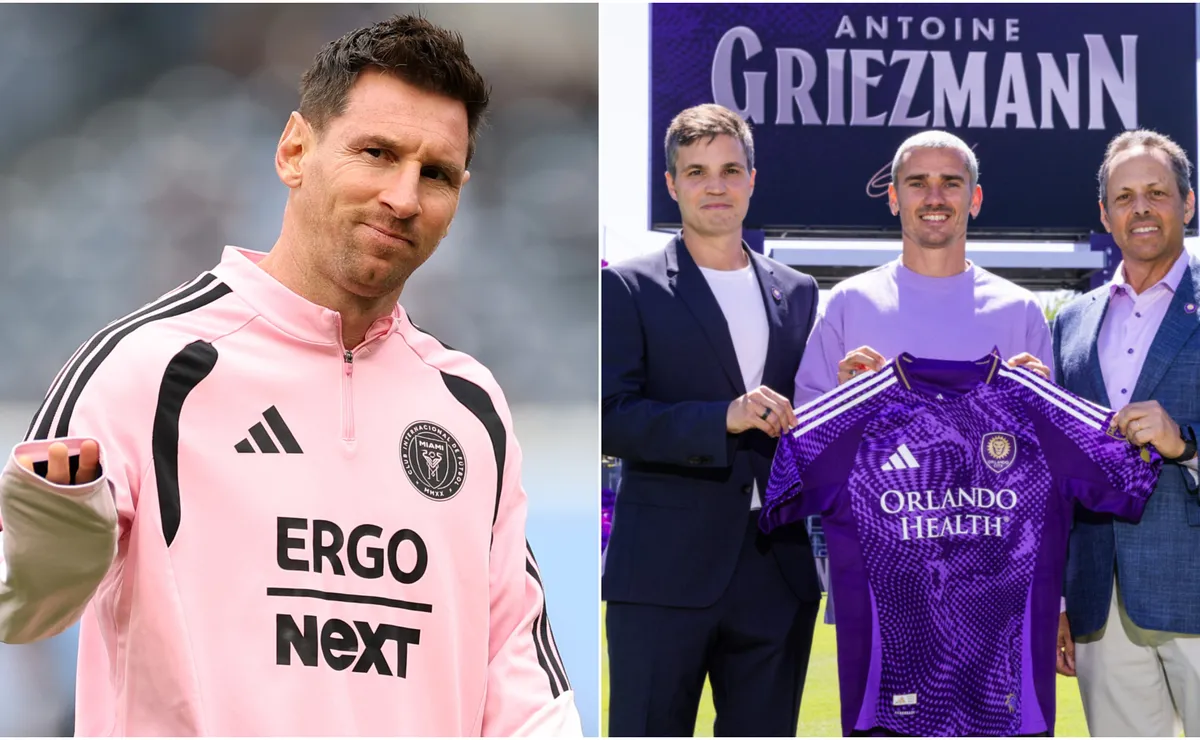
Major League Soccer has added another headline name to its expanding star economy, and Orlando City’s reported agreement to bring in Antoine Griezmann underscores how far the league’s business model has evolved. The move reflects MLS’s growing ability to attract elite European talent while also strengthening its position as a global entertainment property built around recognizable names.
For Orlando City, this is more than a roster upgrade. It is a strategic brand investment designed to lift the club’s relevance well beyond Central Florida. Bringing in a World Cup winner and one of the most recognizable forwards of his generation gives the club instant commercial credibility and signals a broader MLS trend: clubs are increasingly targeting legacy-level stars, not just veterans seeking a final payday.
The timing makes the deal especially significant from a business perspective. Griezmann is not expected to join immediately and is set to remain with Atletico Madrid before arriving in July 2026. That means Orlando is effectively buying future value rather than immediate production. The delay introduces risk, but it also creates a longer runway for cap planning, sponsorship activation, fan engagement, and roster construction.
A major brand play for Orlando City
Orlando City has reportedly secured Griezmann on a two-year Designated Player contract through the 2027-28 season, with an option for an additional year. Subject to medical and visa clearance, the deal instantly raises the club’s profile in a league where name recognition has become a core growth driver.
The significance extends far beyond salary or transfer mechanics. In modern soccer business, a signing of this scale functions as a multi-channel asset. It can drive ticket demand, strengthen sponsorship negotiations, expand media visibility, and reposition a club as a premium entertainment brand rather than a purely local sports property.
Griezmann’s résumé gives the move real commercial weight. His career at Atletico Madrid, Barcelona, and Real Sociedad has made him one of the most marketable players in world soccer, and his arrival fits a pattern MLS has embraced: convert global recognition into revenue upside while building a more ambitious league identity.
The delayed arrival changes the value equation
The most disruptive element of the deal is the wait. Griezmann’s arrival in 2026 means Orlando must sustain momentum across multiple seasons before the player ever steps onto the field. That creates a different kind of asset: a future-facing marketing engine that can be activated in stages rather than all at once.
For MLS, that marks a meaningful evolution. The league is no longer selling only immediate spectacle. It is increasingly capable of structuring long-dated deals that preserve cap flexibility, align with transfer timing, and build anticipation around a player’s eventual debut. In business terms, that reflects a more sophisticated and patient market.
For fans and commercial partners, the upside is clear. Griezmann’s arrival adds another premium storyline to a league already reshaped by Lionel Messi’s presence in Miami. The top end of MLS talent is becoming a competitive differentiator, and Orlando’s move shows that clubs outside the traditional global power centers are willing to invest in brand-defining talent.
What it means for MLS’s business model
Griezmann’s signing reflects a broader shift in MLS strategy: star power is now part of the growth plan, not merely a bonus. The league has learned that recognizable names can accelerate international visibility, strengthen local commercial ecosystems, and help turn clubs into global content brands.
Orlando City’s bet is that prestige, anticipation, and eventual performance will justify the patience required. If the club can translate the signing into stronger ticket sales, sponsorship growth, and sustained media attention, the move could become a blueprint for how MLS teams balance immediate business impact with long-term roster planning.
In that sense, this is not just a transfer. It is another sign that MLS is evolving into a league where elite player movement is engineered as both a sporting decision and a commercial strategy.
Why It Matters
Orlando City’s reported agreement for Antoine Griezmann highlights a major shift in Major League Soccer’s business strategy: clubs are no longer only chasing late-career stars, but also structuring deals around future commercial upside. With Griezmann set to arrive in 2026, the move is as much about brand building, sponsorship leverage, and long-term fan engagement as it is about on-field performance.
Content Package
Antoine Griezmann to Orlando City isn’t just a signing—it’s MLS signaling an arms race for star power. He won’t arrive until July 2026, turning the deal into a long-term brand asset. #MLS
#MLS#OrlandoCity#Griezmann
Orlando City’s agreement with Antoine Griezmann reads less like a routine transfer and more like a strategic signal to the market: MLS is accelerating its pursuit of global, headline-level talent—and valuing that celebrity as a commercial asset, not just a sporting one. From a business standpoint, Griezmann’s résumé (World Cup winner, elite forward, global recognition) gives Orlando immediate leverage in sponsorship conversations, brand positioning, and international awareness—often before a player even steps on the pitch. In today’s sports entertainment economy, reputation and media gravity can directly influence revenue streams: partnerships, ticket demand, merchandise interest, and broadcast value. The timing is what makes this move especially interesting. Griezmann will remain with Atletico Madrid and join Orlando in July 2026, with a Designated Player commitment through the 2027–28 season (option for an additional year). That delayed arrival transforms the transaction from a short-term roster upgrade into a long-horizon asset play: Orlando can build anticipation, align ticketing and merchandise strategy, and create a controlled “launch moment” rather than relying on instant impact. This also reflects how MLS is evolving its operating model. The league’s growth story is increasingly tied to its ability to convert celebrity into commercial momentum—an expectation set by Lionel Messi’s arrival at Inter Miami, which reset attendance, media attention, and international interest. Griezmann suggests other clubs aren’t content to watch the spotlight from the sidelines; they want a share of it—and they’re willing to invest accordingly. Bottom line: Orlando may not get Griezmann immediately, but it has already secured something nearly as valuable—attention, credibility, and a stronger position in MLS’s next phase of ambition, globalization, and star-powered relevance.
#MLS#OrlandoCity#Griezmann
Griezmann to Orlando City = MLS’s STAR-POWER arms race 🔥 Arriving in July 2026, this is a brand + business play as much as a roster move. ⚽️🌍 #MLS #OrlandoCity #Griezmann #DesignatedPlayer #SoccerBusiness #SportsMarketing #GlobalTalent #FootballNews
#MLS#OrlandoCity#Griezmann
Antoine Griezmann’s agreement with Orlando City is more than a headline—it’s a sign of where MLS is headed. The club is bringing elite European star power into its orbit, with Griezmann joining in July 2026 after staying at Atletico Madrid. While fans will have to wait, Orlando is already positioning the deal as a major brand and commercial moment—one that could reshape expectations for the league’s next wave of global relevance.
#MLS#OrlandoCity#Griezmann
Orlando City just made a move that screams MLS is playing a new game. Antoine Griezmann is set to join Orlando—but here’s the twist: he won’t arrive until July 2026. That means Orlando is not just upgrading a roster… they’re building anticipation, marketing momentum, and global credibility for the long term. This isn’t a “one-season splash” signing. It’s a Designated Player commitment through 2027–28, signaling Orlando—and MLS—that star power drives more than goals. It drives sponsors, attention, social reach, and international interest. So the big question: is Griezmann the start of the next star-power arms race across MLS? What player would you want next?
#MLS#OrlandoCity#Griezmann
Orlando City just signed a headline-grabber—and it could change how MLS competes for global stars. Antoine Griezmann agreement is huge, but the real twist is timing: he’ll stay with Atletico Madrid and join Orlando in July 2026. That turns the deal into a long-term business strategy, not just a quick on-field upgrade. Orlando gets credibility now—through brand buzz, sponsorship appeal, and international attention—while building a “launch moment” for when he finally arrives. This also points to a bigger league shift: MLS is no longer only chasing novelty signings. It’s aiming for elite, World Cup-level talent as centerpiece investments. Could this be the next chapter after Messi’s impact at Inter Miami? And will other MLS clubs follow? Drop your thoughts—who should Orlando target next?
#MLS#OrlandoCity#Griezmann
Orlando City just landed Antoine Griezmann on a 2-year DP deal—but he won’t arrive until July 2026. It’s a delayed payoff that signals MLS’s next star-driven growth phase. #MLS #OrlandoCity
#MLS#OrlandoCity#AntoineGriezmann
Orlando City’s agreement to sign Antoine Griezmann is more than a marquee roster move—it’s a clear signal of how MLS is evolving its star-driven growth model. From a club perspective, this is a strategic brand investment. Landing a World Cup winner and globally recognized forward instantly expands Orlando’s relevance beyond the local market, strengthening ticket demand, sponsorship leverage, and international media visibility. Just as important: the business calculus is different. Griezmann will remain with Atletico Madrid and is expected to arrive in July 2026, with the contract running through the 2027–28 season (plus an option). That delay shifts the value proposition from immediate on-field impact to a future-facing marketing and commercial engine—activated in phases while the club manages cap planning, roster construction, and rollout timing. For MLS, the timing underscores a maturation of the marketplace. The league is no longer only selling immediate spectacle; it’s increasingly capable of structuring longer-dated deals that preserve flexibility and build anticipation around eventual debuts. In other words, star power is becoming part of the growth plan rather than just a bonus outcome. The broader takeaway for the league: recognizable global names can accelerate international visibility and help convert clubs into premium entertainment properties—especially for teams outside the traditional European power centers. If Orlando can sustain excitement through 2026 and translate it into consistent ticket sales, partner growth, and sustained media attention, this could become a blueprint for how MLS balances long-term roster strategy with near-term commercial impact. What do you think—does the delayed arrival make this a smarter business bet, or does it risk fan momentum before Griezmann ever plays a match?
#MLS#OrlandoCity#AntoineGriezmann
Orlando City just signed Antoine Griezmann 😮💨✨ BUT… he won’t arrive until July 2026. A future-facing star play for MLS—anticipation, marketing, and big-time branding. ⚽️🌍 #MLS #OrlandoCity #Griezmann #DesignatedPlayer #SoccerBusiness #FootballMarketing #WorldCupWinner #StarPower #SportsBiz #Sponsorship
#MLS#OrlandoCity#AntoineGriezmann
Orlando City has agreed to bring Antoine Griezmann to MLS on a Designated Player deal—but the move won’t happen immediately. Griezmann is expected to arrive in July 2026 after staying with Atletico Madrid first. The signing highlights MLS’s expanding star economy and the league’s growing ability to structure long-dated deals that build anticipation while clubs plan cap and roster strategy. Could this delayed arrival become a blueprint for how MLS balances long-term sporting value with immediate commercial growth? ⚽️
#MLS#OrlandoCity#AntoineGriezmann
Orlando City just signed Antoine Griezmann… but here’s the twist: he won’t join the team right away. Griezmann will stay with Atletico Madrid and is expected to arrive in July 2026. So what does that mean for MLS and Orlando? It’s not just a “get a superstar now” move—it’s a long-game marketing and business strategy. Orlando gets global attention now, then a performance payoff later. This could be the next phase of MLS’s star economy: delayed arrivals, smarter planning, and building hype over multiple seasons. Do you think waiting until 2026 is worth it—or will the excitement fade? Comment your take!
#MLS#OrlandoCity#AntoineGriezmann
Orlando City just made a massive MLS statement: Antoine Griezmann is coming… but not immediately. He’ll stay with Atletico Madrid and is expected to arrive in July 2026. Here’s why this matters: MLS isn’t only buying instant on-field impact anymore. Clubs are using star signings as long-term brand engines—boosting tickets, sponsorships, and global visibility now, while managing roster and cap planning for the future. Griezmann’s profile is elite, and Orlando’s deal through the 2027–28 season signals the league’s next growth phase: future-facing star power. Should MLS keep doing delayed marquee signings—or does the wait hurt momentum? Like and comment your answer!
#MLS#OrlandoCity#AntoineGriezmann
Orlando City’s Antoine Griezmann deal is a statement: MLS is doubling down on star-driven growth—buying future value with a July 2026 arrival. The commercial payoff is the real story. #MLS #OrlandoCity
#MLS#OrlandoCity#Griezmann
Orlando City’s agreement to bring Antoine Griezmann to MLS is more than a roster headline—it’s a clear signal that the league’s growth strategy is now tightly linked to a star-driven commercial model. Why this matters: 1) Brand investment, not just talent acquisition Griezmann’s name recognition instantly elevates Orlando’s profile well beyond Central Florida. In today’s sports business, elite player signings function as multi-channel assets—supporting ticket demand, sponsorship leverage, media visibility, and global content positioning. 2) The “future value” twist The deal is structured so Griezmann will remain with Atletico Madrid before arriving in July 2026. That delay changes the economics: Orlando is purchasing long-dated brand and commercial upside rather than immediate on-field production. It also creates a longer planning window for cap structure, roster construction, and staged marketing activations. 3) MLS evolving toward long-dated, league-level sophistication This is an evolution in how MLS teams and the league itself think about timing and anticipation. Instead of only selling immediate spectacle, MLS can engineer a longer storyline—turning a future debut into a sustained engagement engine. 4) A blueprint for clubs outside the traditional global power centers Orlando’s bet suggests that “legacy-level” names aren’t reserved for the biggest European and global markets anymore. If the club can convert prestige and anticipation into stronger ticketing, sponsorship growth, and consistent media attention, the strategy could become a template for others. Bottom line: This isn’t just another transfer. It’s another example of MLS positioning itself as a global entertainment property—where elite recognition is treated as a business lever as much as a sporting one. The payoff may arrive on the pitch in 2026, but the commercial groundwork is already underway.
#MLS#OrlandoCity#Griezmann
Griezmann to Orlando City 👀⭐️ A star-driven bet by MLS—future arrival in July 2026, big brand upside now. Can this turn anticipation into revenue? #MLS #OrlandoCity #Griezmann #SoccerBusiness #DesignatedPlayer #SportsMarketing #FootballNews
#MLS#OrlandoCity#Griezmann
Orlando City’s Antoine Griezmann deal is a major marker of MLS’s star-driven growth strategy. The exciting twist: he won’t arrive until July 2026, meaning Orlando is investing in future value—building anticipation, sponsorship strength, and global visibility well before he steps on the pitch. What do you think the commercial payoff could look like?
#MLS#OrlandoCity#Griezmann
In 2026, Orlando City could be the next MLS club to turn a superstar into a business engine. Antoine Griezmann—yes, that Griezmann—agrees to a Designated Player deal, but he won’t join right away. He stays with Atletico Madrid first, then arrives in July 2026. So what’s the real story? Orlando isn’t just buying talent—they’re buying global attention and planning a long runway for tickets, sponsors, and media hype. MLS is clearly moving from “instant spectacle” to “future-facing growth.” The question: can Orlando sustain the excitement for multiple seasons and convert it into revenue before Griezmann ever plays a match?
#MLS#OrlandoCity#Griezmann
Orlando City just made a statement about where MLS is headed. Antoine Griezmann is coming—on a two-year Designated Player deal through 2027-28, with an option year—but here’s the twist: he won’t arrive until July 2026. That means Orlando is buying future value, not immediate on-field impact. And from a business perspective, that’s huge. A signing like this can boost ticket demand, strengthen sponsorship negotiations, and expand international media attention. MLS is evolving into a league that engineers long-term storylines—turning star power into sustained engagement. So what do you think: will this delayed arrival pay off for Orlando City and MLS, or is the risk too big?
#MLS#OrlandoCity#Griezmann
Orlando City’s agreement to bring in Antoine Griezmann isn’t just another marquee roster headline—it’s a clear signal that MLS is treating star power as a deliberate business strategy. From a club perspective, this is a brand investment designed to extend relevance far beyond Central Florida. Securing a World Cup winner and one of the most recognizable forwards of his generation instantly raises Orlando’s international profile and strengthens the club’s case as a premium entertainment property. But the most interesting part is timing. Griezmann won’t arrive immediately—he’s expected to remain with Atletico Madrid before joining Orlando in July 2026. That delay changes the business equation: Orlando is purchasing future value rather than immediate on-field production. The risk is obvious, yet the structure also creates a longer planning runway for cap management, roster construction, and staged commercial activation. For MLS overall, this reflects an evolution in the league’s marketplace sophistication. The star economy is no longer only about short-term spectacle. MLS clubs are increasingly able to engineer long-dated deals that preserve flexibility while building anticipation across multiple seasons. Commercially, the opportunity is multi-channel. A signing of this magnitude can influence: - Ticket demand and matchday buzz - Sponsorship leverage and brand partnerships - Media visibility and international attention - Club positioning—from local sports team to global content brand Griezmann’s move fits the broader pattern MLS has embraced: converting global recognition into revenue upside, while strengthening the league’s identity as an ambitious destination for elite talent. If Orlando can sustain excitement until 2026 and translate it into ticketing, sponsorship growth, and sustained media momentum, this could become a blueprint for how MLS balances long-term roster planning with immediate commercial impact. In short: this isn’t just a transfer. It’s evidence that MLS is increasingly engineering elite player movement as both a sporting decision and a commercial strategy.
#OrlandoCity#MLS#AntoineGriezmann#SoccerBusiness#DesignatedPlayer
Griezmann to Orlando… but not yet 👀🇪🇸 A 2026 arrival turns this into a long-game marketing play. MLS is building an international star economy—future value + big-time brand upside. #OrlandoCity #MLS #Griezmann #DesignatedPlayer #SoccerBusiness #StarPower #FootballMarketing #SportsMarketing #WorldCupWinner
#OrlandoCity#MLS#AntoineGriezmann#SoccerBusiness#DesignatedPlayer
Orlando City’s Griezmann deal signals MLS is selling stars like a global entertainment brand—buying future value with a 2026 arrival. The upside? Tickets, sponsors, and a louder international spotlight. #MLS
#OrlandoCity#MLS#AntoineGriezmann#SoccerBusiness#DesignatedPlayer
Orlando City is bringing Antoine Griezmann to MLS on a Designated Player deal—another major step in the league’s growing “star economy.” The twist: he won’t arrive until July 2026, meaning Orlando is investing in future value while building anticipation. Here’s why this move could pay off for both the club and MLS’s business model.
#OrlandoCity#MLS#AntoineGriezmann#SoccerBusiness#DesignatedPlayer
In 2026, Orlando City could be hosting one of the biggest names in world football… Antoine Griezmann. But here’s the twist: he’s not arriving right away. Orlando is signing him now and planning for the future—using the anticipation as part of the business strategy. This is what MLS is doing more and more: turning star power into a global entertainment product. Think ticket demand, sponsorships, and worldwide media attention—before he even steps on the pitch. So the question is: will Orlando sustain the hype until 2026 and convert it into real commercial and sporting upside? That’s the bet—and it could become a blueprint for how MLS sells stars.
#OrlandoCity#MLS#AntoineGriezmann#SoccerBusiness#DesignatedPlayer
Orlando City just made a huge MLS statement: Antoine Griezmann is coming—eventually. The deal is set on a long timeline, with Griezmann expected to arrive in July 2026, not immediately. That means Orlando isn’t just buying a player… they’re buying a future marketing engine. This is the MLS evolution: star power isn’t only about instant results. It’s about global visibility, sponsorship leverage, ticket momentum, and building a club brand that reaches beyond local markets. If Orlando can keep the spotlight on until Griezmann’s debut—and turn that attention into revenue—this could be a real blueprint for MLS’s next era. Big question: will the long wait be worth it?
#OrlandoCity#MLS#AntoineGriezmann#SoccerBusiness#DesignatedPlayer
Orlando City’s reported agreement to sign Antoine Griezmann highlights MLS’s changing strategy: clubs are increasingly using elite, globally recognized players as commercial engines. The most notable twist? A delayed debut—Griezmann is expected to arrive in July 2026—meaning Orlando is effectively investing in future value while building anticipation, sponsors, and ticket demand.
#MLS#OrlandoCity#AntoineGriezmann#SportsBusiness#SoccerMarketing#FootballBusiness#StarPower
Orlando City’s Griezmann deal signals MLS’s new playbook: sell stars, monetize anticipation, and bank future value. The delayed July 2026 arrival turns a signing into a multi-year business engine. ⚽️📈
#MLS#OrlandoCity#AntoineGriezmann#SportsBusiness#SoccerMarketing#FootballBusiness#StarPower
Orlando City’s agreement to bring Antoine Griezmann into the club’s orbit is more than a headline star signing—it’s a case study in how MLS is evolving its growth model. The key shift isn’t just that the league is attracting elite names. It’s that clubs are increasingly packaging those names as business drivers with measurable commercial intent. Orlando is leveraging Griezmann’s global recognition to extend its relevance beyond Central Florida—while also signaling a willingness to pursue legacy-level talent, not only late-career or purely immediate-impact acquisitions. What makes the deal especially disruptive is the timeline. Griezmann is not expected to join right away and is slated to remain with Atletico Madrid before arriving in July 2026. Economically, that reframes the signing: Orlando is effectively purchasing future value rather than instant on-field production. That delay introduces real operational risk—maintaining momentum, managing cap structure, and sustaining fan interest across seasons before the first appearance. But it also creates a longer runway to plan roster construction and stage commercial activation around an incoming asset. In business terms, Orlando is turning a transfer into a multi-phase marketing engine. For MLS, this reflects a more sophisticated marketplace: - Structuring long-dated deals that preserve financial flexibility - Aligning player timing with roster planning - Engineering anticipation as part of the product And for sponsors, ticketing, and media visibility, the upside is obvious. Just as Messi helped elevate MLS’s global spotlight in Miami, Griezmann adds another premium narrative—one that can drive international attention and strengthen the league’s premium identity. Bottom line: this isn’t simply a transaction. It’s evidence that MLS is increasingly treating elite player movement as both a sporting decision and a commercial strategy—balancing immediate revenue opportunities with long-term value creation. #MLS #OrlandoCity #Griezmann #SportsBusiness #SoccerEconomics #Sponsorship #SportsMarketing
#MLS#OrlandoCity#AntoineGriezmann#SportsBusiness#SoccerMarketing#FootballBusiness#StarPower
MLS’s star economy just leveled up. 🇺🇸⚽️ Orlando City’s Griezmann deal is all about monetizing anticipation—delayed arrival, long-term value, big brand energy. 📈🔥 #MLS #OrlandoCity #AntoineGriezmann #SoccerBusiness #SportsMarketing #StarPower #Football
#MLS#OrlandoCity#AntoineGriezmann#SportsBusiness#SoccerMarketing#FootballBusiness#StarPower
Did you catch the Orlando City Griezmann news? Here’s why it matters for MLS. Most star signings are about instant results. But this one is different: Griezmann is expected to stay with Atletico before arriving in July 2026. That delay turns the deal into a business strategy—Orlando can plan cap structure, build multi-year hype, and activate sponsorship and media campaigns long before he steps on the pitch. So what’s MLS learning? Sell stars, monetize anticipation, and engineer long-term value—not just short-term impact. The question now: will the patience pay off on the field, and will it become the blueprint for other clubs?
#MLS#OrlandoCity#AntoineGriezmann#SportsBusiness#SoccerMarketing#FootballBusiness#StarPower
Orlando City just made a move that screams MLS’s new playbook. Antoine Griezmann—yes, that Griezmann—is reportedly on the way, but not immediately. He’s expected to remain with Atletico Madrid before arriving in July 2026. So why is that a big deal? Because it changes the economics. Orlando isn’t just buying a player—they’re buying future value and building anticipation as part of the product. That means more time to manage the salary/cap structure, plan roster construction, and launch commercial campaigns that keep fans and sponsors engaged for multiple seasons. This is what “star economy” looks like now: monetize recognition now, convert performance later. MLS is evolving into a league where elite names are engineered for both sporting impact and brand growth.
#MLS#OrlandoCity#AntoineGriezmann#SportsBusiness#SoccerMarketing#FootballBusiness#StarPower
Orlando City’s Griezmann deal isn’t about instant goals—it’s a future-facing brand play. MLS is shifting from signing stars for quick impact to engineering “upside” that drives tickets, sponsors, and global attention.
#MLS#OrlandoCity#AntoineGriezmann
Orlando City’s reported agreement to bring in Antoine Griezmann is a clear signal that MLS’s star economy is maturing—moving beyond “name for now” toward “value for later.” From a business-model perspective, the most important detail isn’t just the caliber of the player; it’s the timing. Griezmann is expected to remain at Atletico Madrid before arriving in July 2026, with Orlando operating on a longer runway. That means the club isn’t simply purchasing on-field production—it’s investing in future upside across multiple revenue channels: sponsorship activation, ticket demand, media visibility, and international brand relevance. Why this matters for MLS 1) Elite talent as a commercial asset, not just a sporting bonus MLS has increasingly positioned recognizable names as growth drivers—turning clubs into premium entertainment properties with global content value. 2) Long-dated deals = more sophisticated planning A delayed arrival changes the asset equation. Clubs gain time to manage cap planning, align marketing campaigns with the eventual debut, and build anticipation in stages rather than all at once. 3) Orlando’s strategy: relevance beyond the local market For a club in Central Florida, Griezmann’s résumé provides instant credibility in a league where global recognition can translate into measurable business outcomes. The broader takeaway This move reinforces a league-wide evolution: MLS is engineering elite player movement as both a sporting decision and a commercial strategy. If Orlando can translate prestige and anticipation into sustained sponsorship and audience growth, it could become a blueprint for how MLS balances immediate execution with long-term value creation. What do you think—will “future upside” star deals become the new norm across MLS?
#MLS#OrlandoCity#AntoineGriezmann
Griezmann to Orlando City = MLS’s NEXT business play. Not just a signing—an anticipation engine (arrives 2026). Star power + long-term upside = big brand momentum. ⚽️📈 #MLS #OrlandoCity #AntoineGriezmann #DesignatedPlayer #SoccerBusiness #SportsMarketing #GlobalStars #Football #WorldCupWinner #ClubBranding
#MLS#OrlandoCity#AntoineGriezmann
Orlando City’s reported Griezmann agreement highlights how MLS is evolving. Instead of chasing only immediate on-field impact, clubs are increasingly buying future upside—using elite, globally recognized talent to grow tickets, sponsorships, and worldwide attention. With a delayed arrival in 2026, the deal is built for long-term brand momentum. ⚽️
#MLS#OrlandoCity#AntoineGriezmann
Orlando City just reportedly landed Antoine Griezmann—and it’s not only a football headline, it’s a business blueprint for MLS. Here’s the twist: he’s expected to arrive in July 2026, not immediately. So Orlando is essentially buying future value—an anticipation campaign that can power ticket demand, sponsorship deals, and global media attention over multiple seasons. This is the shift: MLS is moving from signing stars for quick spectacle to engineering long-dated “upside.” If Orlando sustains momentum until he steps on the pitch, it could become a model for how MLS clubs turn recognizable names into revenue growth. Would you rather have instant impact—or a long-term brand build like this?
#MLS#OrlandoCity#AntoineGriezmann
Orlando City’s Griezmann move is more than a roster upgrade—it’s a sign of where MLS business is headed. Griezmann is expected to stay with Atletico Madrid before arriving in July 2026, meaning Orlando is investing in future upside, not just immediate production. That delay gives the club time to plan cap strategy, build sponsorship activations, and market the storyline across seasons—turning a global star into a multi-channel asset. The bigger point: MLS is evolving into a global entertainment property where recognizable names drive international attention, ticket demand, and commercial growth. Is this the new MLS playbook? Future value over instant impact?
#MLS#OrlandoCity#AntoineGriezmann